
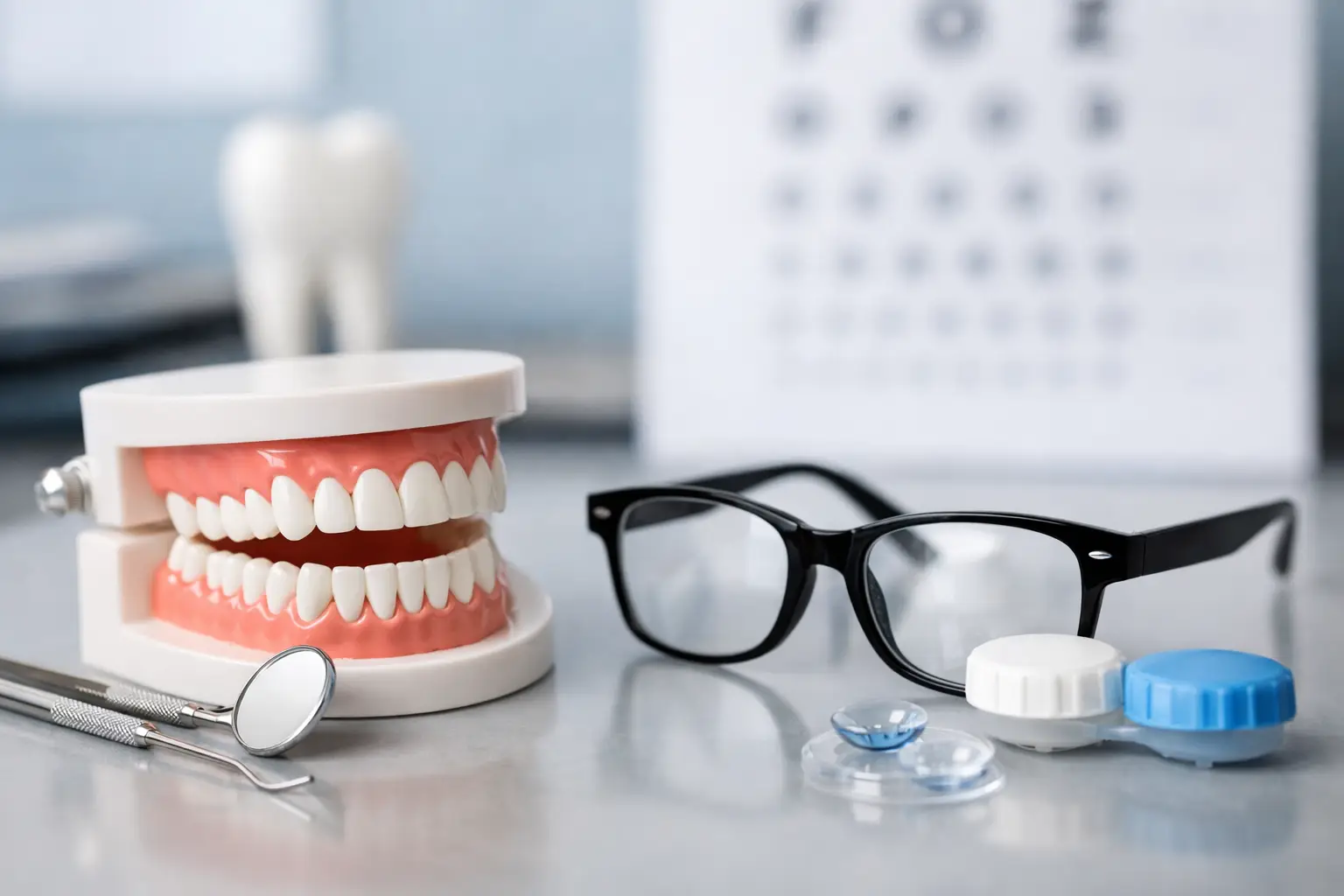
A lot of people find out they need dental or vision coverage right after a big bill lands in the mailbox. Maybe it is a cracked filling, a child who needs braces consults, or an eye exam that turns into new glasses plus contacts. That is usually when dental and vision insurance bundles start looking less like an extra and more like a smart way to keep routine care predictable.
If you are comparing coverage for yourself or your family, a bundle can be a practical option. But it is not automatically the better deal. The right fit depends on how often you use care, what benefits matter most, and whether the monthly premium actually matches the value you will use.
What are dental and vision insurance bundles?
Dental and vision insurance bundles combine two separate types of coverage into one package. Instead of buying a standalone dental plan and a standalone vision plan from different companies, you enroll in a bundled option that includes both.
That sounds simple, but the details matter. In some cases, the bundle is offered by one insurer with one monthly payment. In others, an insurance broker or carrier groups compatible plans together so enrollment feels easier. Either way, you are still comparing benefits in two different categories, and each side of the bundle may have its own deductible, waiting periods, provider network, and annual limits.
For many shoppers, the main appeal is convenience. One enrollment process is easier than two. Sometimes the monthly cost is also lower than buying each plan separately. But lower price does not always mean better value if the dental side is thin or the vision allowance barely covers the frames you would actually choose.
Why people shop for bundled coverage
Most families are not looking for insurance for the sake of insurance. They are trying to control out-of-pocket costs. Dental and vision expenses tend to come in bursts. One year may be just cleanings and eye exams. The next year may include crowns, extractions, lenses, or a child whose prescription changes twice.
A bundle can help smooth those costs out. Preventive dental care is often covered well, and many vision plans include annual eye exams with set copays and some help with glasses or contact lenses. If your household uses both benefits regularly, combining them can feel easier to manage.
There is also a planning benefit. Families often remember health insurance first and leave dental and vision for later. A bundle brings those needs into the same conversation, which can help you avoid gaps.
What dental and vision insurance bundles usually cover
The dental portion usually focuses on preventive care first. That often means exams, cleanings, and X-rays at little or no cost when you stay in network. Basic services such as fillings may be covered at a percentage, while major work like crowns, bridges, root canals, or dentures may come with higher out-of-pocket costs.
The vision side usually covers an annual eye exam and offers an allowance toward glasses frames, lenses, or contacts. Some plans give you a better value if you choose from certain providers or frame collections. Others offer fixed copays for standard lenses but charge more for upgrades like anti-glare coating, progressives, or premium contacts.
That is where shoppers can get tripped up. A plan can look affordable until you realize the dental annual maximum is low or the vision allowance does not go far once you pick the options you actually want. Coverage is not just about whether a service is included. It is about how much help the plan really provides when you use it.
When a bundle makes sense
Bundled coverage tends to make the most sense for people who expect to use both benefits during the year. Parents with children often fall into this group because cleanings, exams, glasses, and occasional orthodontic evaluations are common. Adults who wear glasses or contacts and stay on top of preventive dental care can also get steady value from a bundle.
It can also make sense if you prefer a simpler shopping experience. If comparing insurance feels overwhelming, one bundled option with clear monthly pricing may be easier to manage than mixing plans from multiple carriers.
There is a budgeting advantage too. Predictable monthly premiums are often easier to plan around than surprise bills. That matters for households balancing rent, groceries, prescriptions, and everyday costs.
When buying separately may be better
A bundle is not always the best match. If you need strong dental coverage because you expect major work soon, you may want to shop the dental plan on its own rather than accept a bundled option with a low annual maximum or long waiting period.
The same goes for vision. If you have very specific needs, like premium progressive lenses, frequent prescription changes, or contact lens benefits that matter more than frame allowances, a standalone vision plan may fit better.
There is also the issue of provider choice. Some shoppers care less about bundling and more about keeping their dentist or eye doctor. If the bundle has a narrow network, the convenience may not be worth it.
How to compare dental and vision insurance bundles
Start with the monthly premium, but do not stop there. A lower premium can be appealing, yet the real question is what you are likely to spend over the full year.
Look closely at the dental deductible, annual maximum, waiting periods, and the share you pay for basic and major services. A plan that covers preventive care well but caps benefits quickly may work fine for light users and disappoint anyone who needs more than routine care.
On the vision side, check the exam copay, frame allowance, contact lens allowance, and the cost of lens upgrades. If your child breaks glasses often or your prescription needs special lens features, those details matter more than the headline price.
Provider access should be near the top of your list. A plan only helps if you can realistically use it. Confirm whether your current dentist and eye doctor are in network, or at least whether there are good local options nearby.
Finally, think about how your family actually uses care. A young adult who only wants basic preventive services may need something very different from a family of four with ongoing dental and vision expenses.
A simple real-life example
Imagine a couple in their 30s with two children. One parent wears contacts, the other wears glasses, and both kids need annual dental cleanings. One child may need braces consultation in the next year or two.
A cheap bundle might cover exams and cleanings but offer a low dental maximum and only a modest vision allowance. That could still be fine if everyone mostly needs preventive care. But if one filling turns into a crown or the contact lens allowance is weak, the savings disappear quickly.
A slightly more expensive option may cost more each month but provide better value where this family actually spends money. That is why plan comparison should be based on likely use, not just the smallest premium.
Common trade-offs to watch for
The biggest trade-off is price versus usable benefits. Some bundles are affordable because they are built for preventive care and little else. That is not bad, but it should match your expectations.
Another trade-off is convenience versus flexibility. Bundled plans reduce shopping time, but separate plans may let you get stronger coverage in the area you use most. There is also the trade-off between network savings and provider freedom. Going in network usually lowers costs, but only if the providers work for your schedule and location.
This is where agent support can really help. If you are not sure whether a plan is a good value, having someone walk through your likely usage, provider preferences, and budget can keep you from choosing a plan that looks good on paper but falls short in practice. That is the kind of hands-on help many shoppers want from a service-led team like Beat My Rates.
How to know if a bundle is worth it for you
Ask yourself a few practical questions. Will you use annual eye exams and routine dental care? Do you wear glasses or contacts now? Do your kids need regular vision checks? Are you expecting fillings, crowns, or other dental work? Do your preferred providers accept the plan?
If the answer is yes to several of those, dental and vision insurance bundles may be a smart way to package coverage and keep costs more predictable. If your needs are concentrated in only one area, a standalone plan may give you more control.
The best choice is usually the one that fits your real life, not the one with the flashiest marketing or the lowest advertised premium. A good plan should feel usable, affordable, and easy to explain.
If you are shopping now, focus less on whether a bundle sounds convenient and more on whether it supports the care you are actually going to use. That is the difference between buying coverage and buying peace of mind.